Painting Lines in Parking Lot: What Owners Should Know
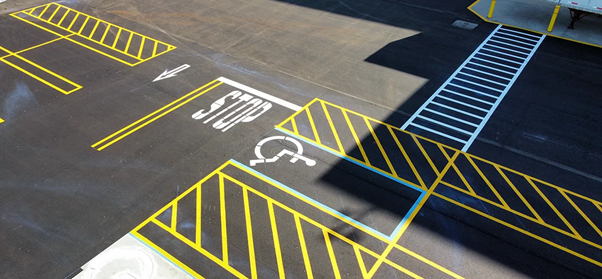
Most people step out of their cars and head toward a building without thinking about the parking lot itself. Yet the markings on the pavement quietly guide every move they make. Drivers follow the lines to park. Pedestrians look for crosswalks. When those markings fade, confusion appears almost immediately.
Cars drift across spaces, traffic slows down, and safety becomes harder to manage. Property owners often notice these problems only after they become obvious. This guide explains what you should understand about painting lines in parking lot areas and how proper striping keeps your property organized, safe, and easier to manage.
Why Clear Parking Lot Lines Matter More Than You Think
Parking lot markings look simple at first glance. A few white or yellow lines spread across the asphalt. The effect runs deeper than that. Those lines shape how drivers move and how visitors experience the property.
Improves Traffic Organization
Drivers look for visual guidance the moment they enter a lot. Parking guidance pavement markings help them recognize where to drive and where to park. Arrows show direction. Dividers separate traffic lanes from parking rows.
Remove those cues, and people hesitate. One driver slows down to check the layout. Another drifts across faded markings. Soon, the space feels disorganized.
Fresh striping brings order back into the area. Vehicles move in clear paths. Drivers understand the layout within seconds, even if they visit the location for the first time.
Helps Maintain ADA Compliance
Accessible parking spaces require specific markings and spacing. These spaces must include visible symbols and proper access aisles beside them. Property owners must keep those markings clear.
When paint fades, those areas lose visibility. Visitors may park in the wrong spaces. The property might fail accessibility expectations during inspections.
Professional striping keeps accessible areas visible and properly spaced. Clear markings support visitors who rely on these spaces while helping property owners meet legal requirements.
Enhances Property Appearance
A parking lot affects how visitors view your business. People may not speak about it directly, yet they notice when the area looks neglected.
Faded lines, broken markings, and unclear spaces create a worn appearance. Even a well-maintained building can look neglected if the parking lot shows no upkeep.
Fresh lines change that impression quickly. Bright markings create order across the pavement. The lot looks cleaner, more structured, and easier to use.
Many property owners repaint interior spaces regularly. Pavement markings deserve the same attention outside.
Supports Safer Pedestrian Movement
Pedestrians share the same space with vehicles in most parking areas. Clear markings help separate those paths.
Crosswalks guide people toward entrances. Drivers recognize those markings and slow down. Visitors walk across the lot with more confidence when they see defined walkways.
Without these markings, pedestrians choose random paths between vehicles. Drivers struggle to predict where people will cross. A simple painted crosswalk often solves that issue.
Understanding the Process of Professional Parking Lot Striping

Many people think stripping only involves applying fresh paint over old lines. The real process includes preparation, planning, and careful execution. Each step affects how long the markings last.
Surface Preparation
Striping crews start with the pavement itself. Dirt, dust, and debris sit across the surface of most parking lots. Oil spots from vehicles also appear near entrances and parking rows.
Technicians clean the pavement before painting. This step improves how the paint bonds with the asphalt. Paint applied on a dirty surface fades faster and peels earlier.
Preparation may not stand out to visitors. Still, it often determines how long the new markings remain visible.
Layout Planning
Every parking lot follows its own pattern of movement. Office buildings experience steady morning arrivals and afternoon departures. Retail areas see constant movement throughout the day.
Striping teams measure the lot and review how vehicles enter and exit the space. They look at entrances, traffic direction, pedestrian paths, and fire lanes.
Sometimes the layout stays the same. Other times a few adjustments improve traffic flow. A relocated crosswalk or new directional arrow can reduce confusion near busy entrances.
At this stage, painting lines in parking lot areas becomes more about planning than painting.
Applying Precise Line Markings
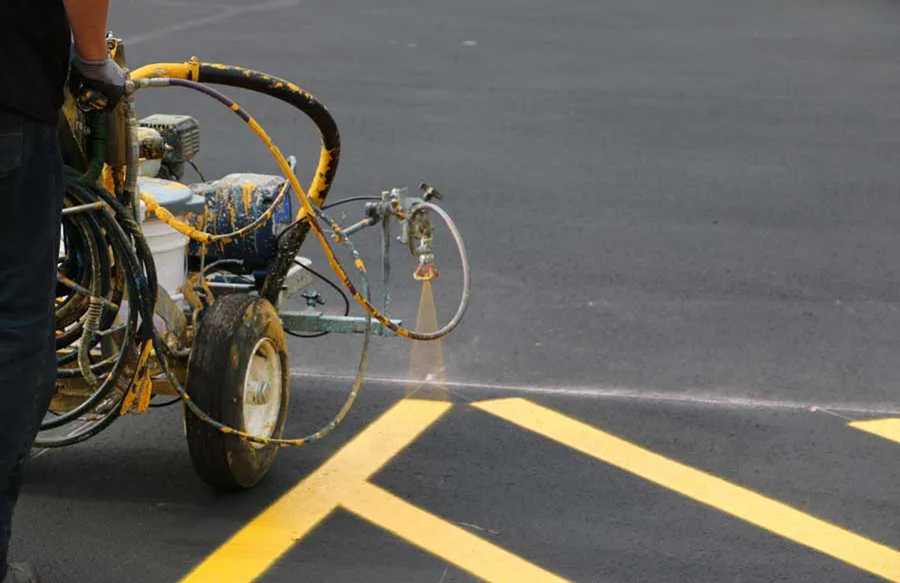
Technicians use specialized striping machines to apply the paint. These machines keep lines straight and evenly spaced across long stretches of pavement.
Accuracy matters here. Even small spacing errors stand out once cars begin filling the lot.
Technicians also use traffic-grade paint designed for outdoor conditions. This paint remains visible through sunlight, rain, and constant vehicle movement.
The process moves quickly when handled by experienced crews, though it requires careful control at every step.
Drying and Inspection
After painting, the lot needs time for the markings to dry. Crews often block sections of the pavement while the paint cures.
Vehicles returning too soon can damage the fresh lines. Proper drying keeps the markings sharp and durable.
Technicians inspect the lot once the paint sets. They check line spacing, symbol clarity, and crosswalk placement. This step confirms that everything meets accessibility guidelines and traffic expectations.
How We Support Property Owners with Professional Striping
At Yellow Dawg Striping, we work with commercial property owners who want their parking areas to stay organized and safe.
We focus on professional parking lot striping. Our team repaints faded lines and applies new markings that guide traffic clearly. These markings include parking spaces, directional arrows, fire lanes, and pedestrian crosswalks.
Accessible parking spaces require careful attention. We mark these areas according to accessibility standards and add the proper symbols and access aisles. Clear markings help visitors recognize these spaces immediately.
Every property shows different traffic patterns. Some locations serve busy retail centers. Others support offices or apartment communities with steady daily traffic. We study the layout of each lot before applying new markings. This helps us place lines in ways that support smooth movement across the pavement.
Conclusion
Parking lots rarely receive much attention until problems appear. Drivers struggle to find spaces. Traffic slows down near entrances. Pedestrians cross unpredictable paths.
Clear parking guidance pavement markings change that experience quietly. They guide vehicles, define spaces, and create a sense of order across the pavement. Visitors move through the area with less hesitation.
Property owners who maintain their parking lots notice the difference. The space works better, and the property presents a more polished appearance.
If your pavement markings look faded or unclear, it may be time for an update. A professional striping service can refresh the layout and restore clarity across the entire parking area.