

Faded lines rarely cause trouble on their own. The trouble starts when drivers can’t tell where a stall ends, where to turn, or where pedestrians cross. If that sounds familiar, professional fresh line striping solutions can bring order back to the pavement.
But what does a striping project actually involve?
This post walks through each stage, from planning to reopening, so you know what to expect and what to ask.
Before Any Paint Goes Down: Planning and Layout Review
Good striping starts on paper, not on the pavement. Accurate layout planning is the foundation of effective striping, and skipping it is how lots end up with uneven stalls or confusing traffic patterns.
What to Decide Early
Before work begins, it helps to settle a few questions:
Will you repeat the existing layout, or has your use of the lot changed?
Do you need to add accessible spaces, fire lanes, or loading zones?
Are directional arrows, stall numbers, or curb markings part of the plan?
Which days or hours cause the least disruption to tenants and customers?
If the existing layout still works, the crew can follow it closely. If traffic patterns have changed, a layout review is the time to fix problem spots.
Surface Assessment: Checking What the Paint Will Sit On
Paint can only perform as well as the surface beneath it. In general industry practice, a contractor looks over the pavement before marking begins.
What a Surface Check Usually Covers
Cracks and potholes: Damaged areas can cause new lines to break up early.
Dirt, debris, and loose material: Markings bond better to a clean surface.
Old markings: Existing lines may need to be followed, cleaned, or covered, depending on their condition.
Drainage and standing water: Wet areas can affect how and when marking can happen.
When Repairs Should Come First
New lines will not fix damaged asphalt. If sections are crumbling or heavily cracked, repairs or other pavement maintenance may need to happen before marking. That is worth asking about up front, since it affects both timing and budget.
Marking Application: Where the Layout Becomes Visible
This is the stage most people picture. Crews measure and mark out the layout, then apply the lines, arrows, symbols, and numbers.
In general practice, this stage includes:
Marking reference points from the approved layout
Applying stall lines, drive lane markings, and crosswalks
Adding arrows, accessible symbols, stencils, and numbers
Checking spacing and alignment once painting is done
Weather matters here. Temperature, moisture, and wind can all affect how paint goes down, so schedules sometimes shift. A reliable contractor will explain that possibility instead of promising a fixed date no matter what.
Reopening the Lot: What to Plan For
New paint needs time before it can handle traffic. How long depends on the product used, the temperature, and the humidity, so there is no single answer that fits every job.
Ask your contractor these questions before the day arrives:
When can vehicles drive over the new markings?
Will the lot be closed in sections or all at once?
What temporary barriers or signs will be used?
Who communicates the closure to tenants and visitors?
Simple coordination goes a long way. A short notice to tenants a few days ahead prevents most of the frustration on the day.
What Fresh Line Striping Solutions Cover
Yellow Dawg Striping describes its work as restoring clarity and order to worn or outdated markings. We handle fresh line pavement striping and fresh line marking pavement that improves visibility and traffic flow for both drivers and pedestrians.
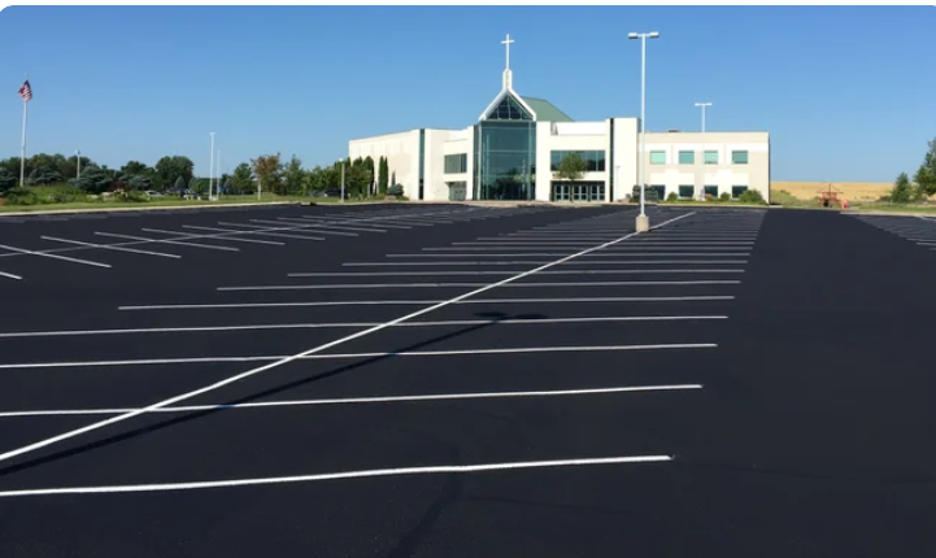
Heavy use and weather cause markings to fade over time, which can lead to confusion and safety concerns. Clean, precise lines also help a property look more professional, which matters to tenants and visitors alike. Related needs, such as ADA parking striping and parking lot directional markings, can be planned into the same project.
For lots that need an update instead of a new layout, parking lot restriping is often the practical starting point. Ongoing parking lot striping maintenance helps keep markings visible between projects.
FAQ
-
It depends on lot size, the number of markings, and weather. Ask for a time estimate after the contractor has seen the site.
-
Not always. Minor wear is usually fine, but cracked or crumbling sections may need attention first so the new lines last.
-
That depends on the layout and the crew’s plan. Many projects can be staged in sections, so ask about it ahead of time.
-
Yes. It can follow the existing layout or support a revised one, as long as the changes are planned and measured first.
-
Walk the lot regularly. If arrows, stall lines, or crosswalks are hard to see from a driver’s seat, it is time to plan ahead.
Know the Process Before You Start
A striping project goes more smoothly when you know the steps: plan the layout, check the surface, apply the markings, and allow the right time before reopening. Knowing which steps are standard practice and which are confirmed by your contractor makes the conversation easier.
If your pavement markings are faded or outdated, Yellow Dawg Striping can talk through your options and explain how fresh line striping solutions might fit your property.